Chamomile
Small daisy-like flowers with a honeyed, apple-like aroma. German chamomile (Matricaria chamomilla) is most common in commercial dried form.
A reference guide to common botanicals used in home herbal tea preparation. Profiles describe flavour, origin context, and handling — not health applications.
Small daisy-like flowers with a honeyed, apple-like aroma. German chamomile (Matricaria chamomilla) is most common in commercial dried form.
Culinary-grade lavender buds add floral depth. Use sparingly — roughly half a teaspoon per cup — to avoid overpowering other botanicals.
Dried hibiscus calyces produce a tart, ruby-coloured infusion. Popular in both hot and chilled preparations across many cultures.
Bright, menthol-forward leaves that steep quickly. Crush gently before brewing to release essential oils trapped within the leaf structure.
Fibrous stalks with a lemon-citrus character. Slice thinly against the grain to maximise surface area during steeping.
Dried nettle offers a grassy, slightly mineral flavour. Handle dried nettle with care during unpacking to avoid residual sting from fine hairs.
Pungent and peppery when sliced fresh or used dried. Responds well to slightly longer steep times or gentle simmering to fully extract flavour.
Naturally sweet with a distinctive anise-like profile. A small piece goes a long way — start with one centimetre per 500 ml of water.
Quills or chips add depth and subtle sweetness. Ceylon cinnamon is milder than cassia and suits delicate floral blends.
Dried peel contributes citrus brightness without acidity. Ensure peels are unsprayed and thoroughly dried before storage.
More assertive than orange peel. Combine with rooibos or honeybush for balanced afternoon blends.
Dried fruit of the wild rose. Tart and slightly fruity, often paired with hibiscus in traditional European infusions.
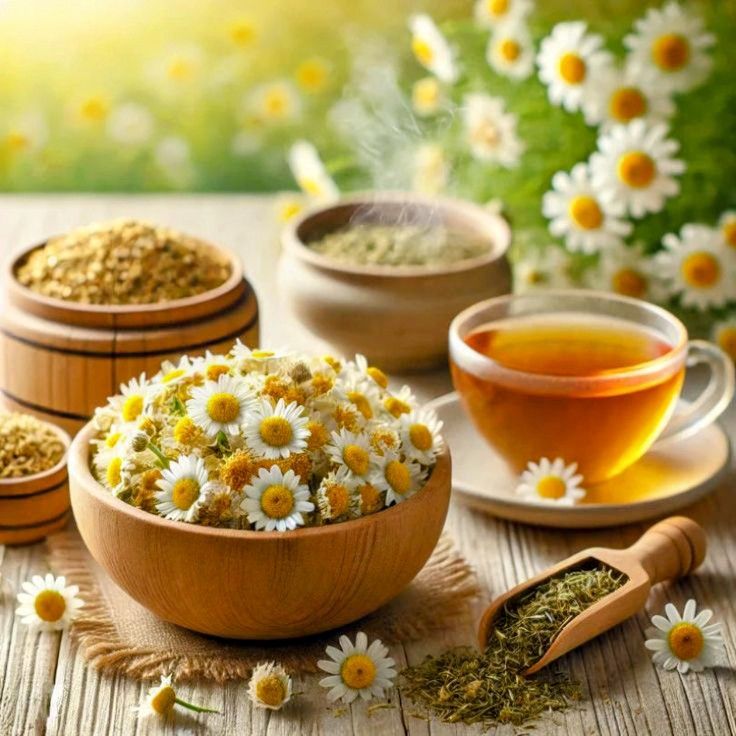
Quality dried chamomile should display whole or mostly intact flower heads with visible yellow centres and white petals. Faded colour or excessive stem content often indicates age or poor processing.
Store in an airtight container away from direct light. Under proper conditions, dried chamomile retains acceptable aroma for six to twelve months. Beyond that, flavour diminishes noticeably.
When blending, chamomile serves as a mild base that supports stronger accent botanicals without dominating the cup. It pairs naturally with lavender, rose petals, and mild citrus peels.
Ultraviolet light degrades volatile compounds in dried botanicals. Amber glass jars or tin canisters with tight seals work well for home storage.
A simple date label removes uncertainty. Rotate stock so older herbs are used first, maintaining flavour consistency across your blends.
Moisture invites mould and shortens shelf life. Store herbs in a cool, dry cupboard rather than above a stove or near a dishwasher.
If aroma is faint or musty, discard the batch. Fresh botanicals should release a distinct scent when rubbed gently between your fingers.
Use this reference to identify complementary flavour profiles. Ratings reflect general culinary compatibility, not health interactions.
Chamomile, lavender, and rosemary have long cultivation histories in southern Europe and North Africa. Many commercial supplies still trace to this region.
Lemongrass, ginger, and turmeric root feature prominently in traditional infusions across Thailand, India, and Indonesia.
While many botanicals are imported, local growers increasingly cultivate peppermint, calendula, and lemon balm. Farmers markets in Auckland, Hamilton, and Christchurch often stock small-batch dried herbs from regional producers. Supporting local suppliers reduces transport time and may offer fresher harvest dates.
Peppermint spreads aggressively in open soil. A dedicated pot with drainage holes keeps growth manageable on balconies and patios throughout Auckland's mild climate.
German chamomile germinates within two weeks in spring. Harvest flower heads when petals are fully open but before they begin to droop.
Unlike many sun-loving herbs, lemon balm tolerates partial shade. Its gentle citrus-mint flavour dries well and stores for several months.
Air-dry harvested herbs on a mesh rack in a ventilated room. Avoid oven heat, which can destroy delicate aromatic compounds.
| Botanical | Water Temp | Steep Time | Amount per 250 ml |
|---|---|---|---|
| Chamomile flowers | 90–95°C | 5–7 minutes | 1 tsp dried |
| Peppermint leaves | 95–100°C | 3–5 minutes | 1 tsp dried |
| Lemongrass | 95–100°C | 6–8 minutes | 2 tsp sliced |
| Ginger root | 100°C (simmer) | 8–10 minutes | 3–4 thin slices |
| Hibiscus calyces | 100°C | 5–8 minutes | 1 tsp dried |
| Rooibos | 100°C | 5–6 minutes | 1 tsp dried |
We draw on publicly available botanical references, food science publications, and supplier documentation when preparing herb profiles. Cross-referencing multiple sources helps verify identification and handling guidance.
Our team welcomes enquiries about sourcing, storage, and blending compatibility. We provide educational responses only.
Contact Us